
About The Indian Archive and Our Mission
We help Hindu families overseas understand their religious and ancestral background, identify the appropriate priestly route, and coordinate the rites advised by the relevant Hindu priest, with Bahi work where it is part of the family's tradition.
Our work is built around a growing network of traditional register centres in India, each with its own register holders and customs. See the centres we work with.
To help families understand and continue their own Hindu traditions across borders.
Traditional family records remain with their custodians. The hereditary Panda, Pandit or Purohit has kept a family's names, lineage and life events by hand for generations, and continues to decide what may be entered. Indian Archive works with that custodian rather than in place of him.
Practices vary by family, region, pilgrimage centre, priest and traditional custodian, so we describe the tradition carefully and never overstate what can be promised.
Families who settled abroad often can no longer travel easily, and many have lost contact with their traditional priest. Indian Archive bridges that distance: we prepare the family information, identify or reconnect with the appropriate priestly route, and coordinate the work the relevant Hindu priest advises. Technology and local representatives support those relationships — they never replace the priest or take ownership of the Bahi.
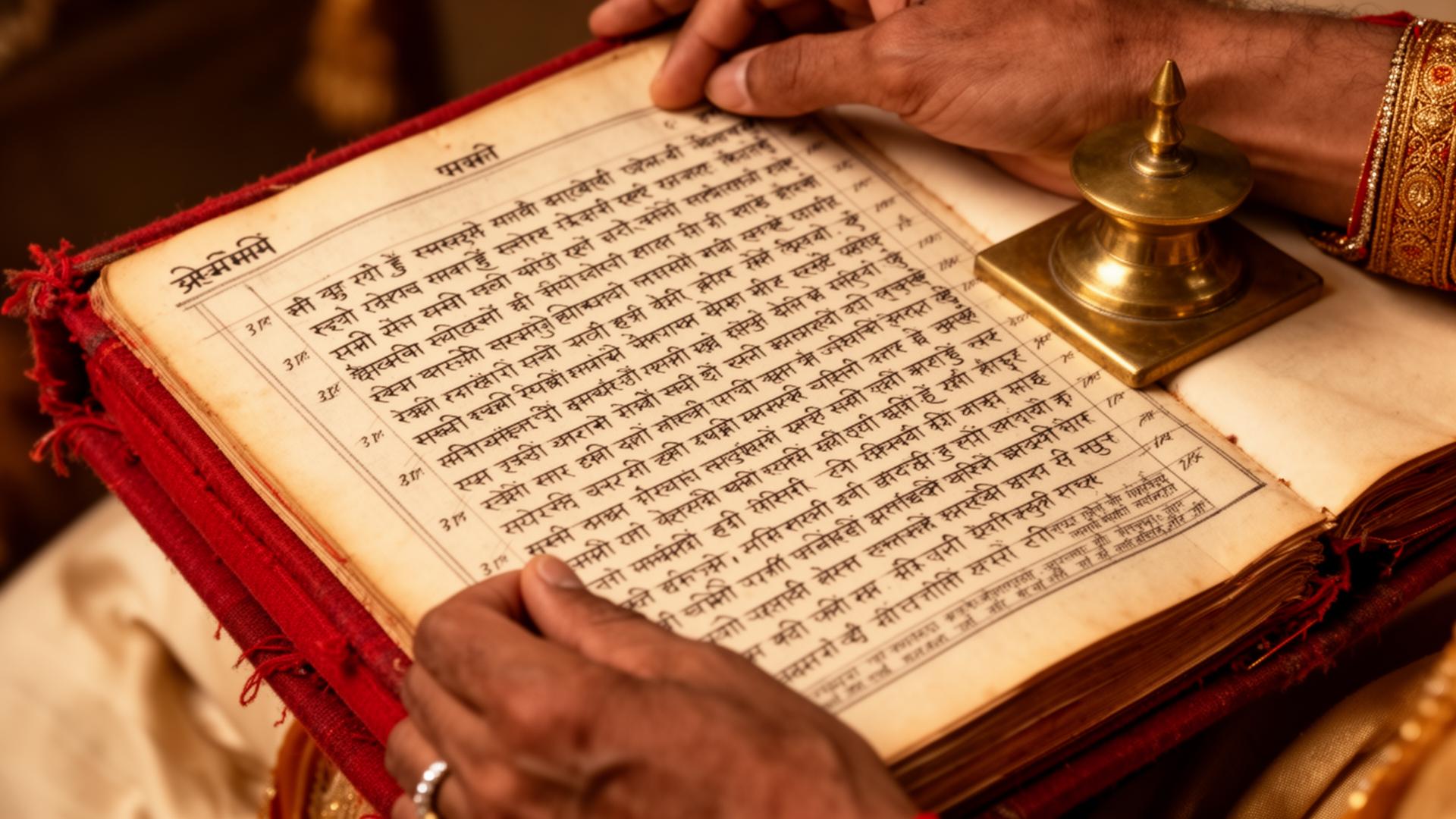
How we work
Respect for the tradition
Panda families, purohits, priests and local record holders are the custodians of these registers. We work with the custodians, never around them, and compensate fairly for their time.
Coordinated with care, reviewed by people
Every case is prepared and reviewed by a person before anything is presented to a priest, so nothing is misunderstood across languages and generations.
Confidentiality by default
Your case, documents and findings remain private. We only share research with people you nominate.
One managed bereavement service in India.
Indian Archive provides one managed Hindu bereavement service for families overseas. We learn about the family's religious and ancestral background, identify the appropriate priestly route, consult the relevant Hindu priest, coordinate the agreed rites and Bahi work where relevant, cover the included normal costs, and provide a Completion Report.