
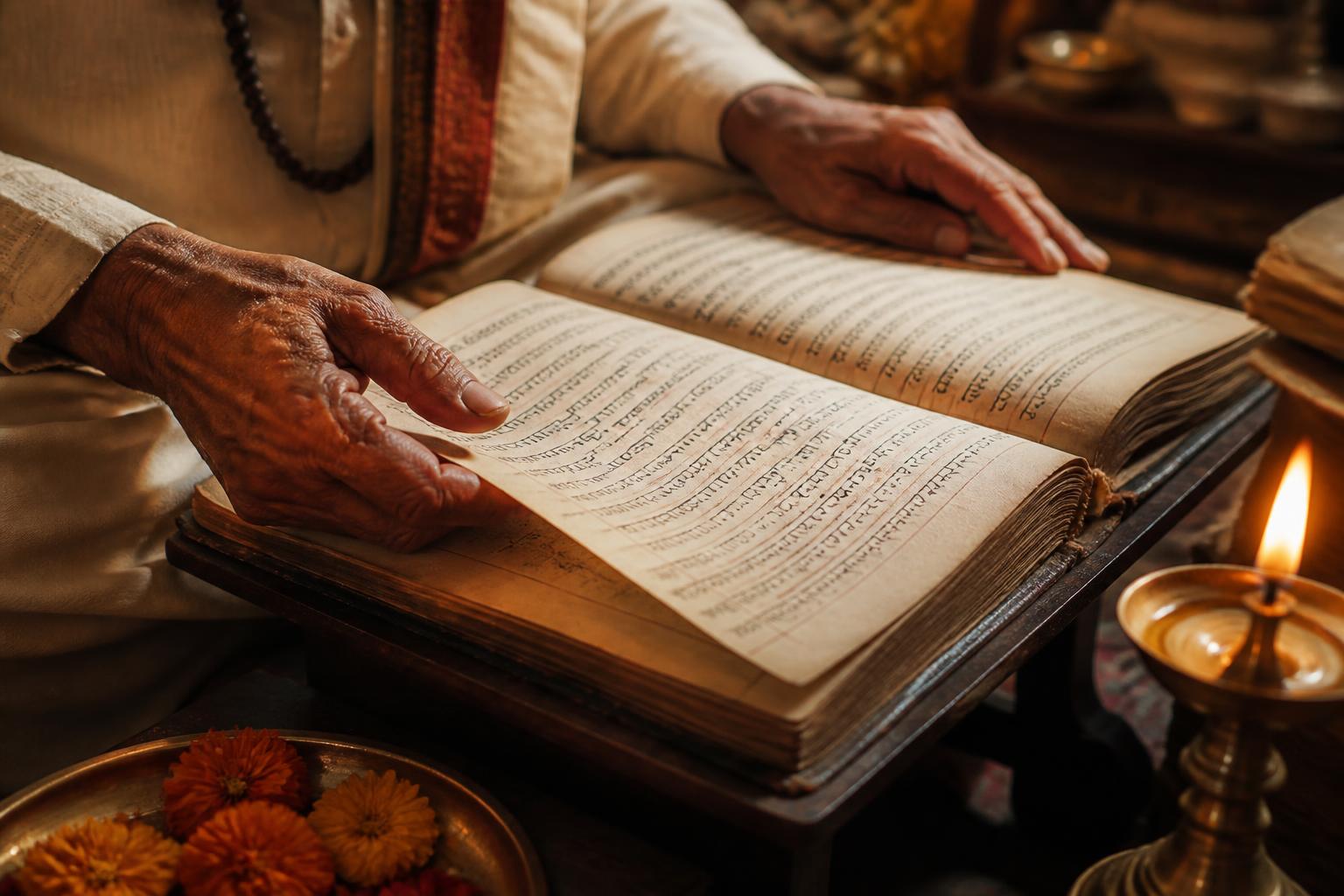
Growing up without access to family records
Growing up in the UK as a first-generation British Indian, I often saw other people using genealogy websites to discover their family trees. They could search census records, birth certificates, marriage records and public archives, sometimes tracing their families back for generations.
I always assumed that kind of discovery was not really available to families like mine.
My parents had come directly from India, so I believed any records I might find in the UK would begin with them and perhaps include only a small amount of information about my grandparents. I never imagined that a deeper record of our family existed.
When I thought about India, I thought about the scale of the country, the population, the villages, the movement of families and the sheer complexity of keeping records over generations. I simply did not expect that anyone had been preserving that history.
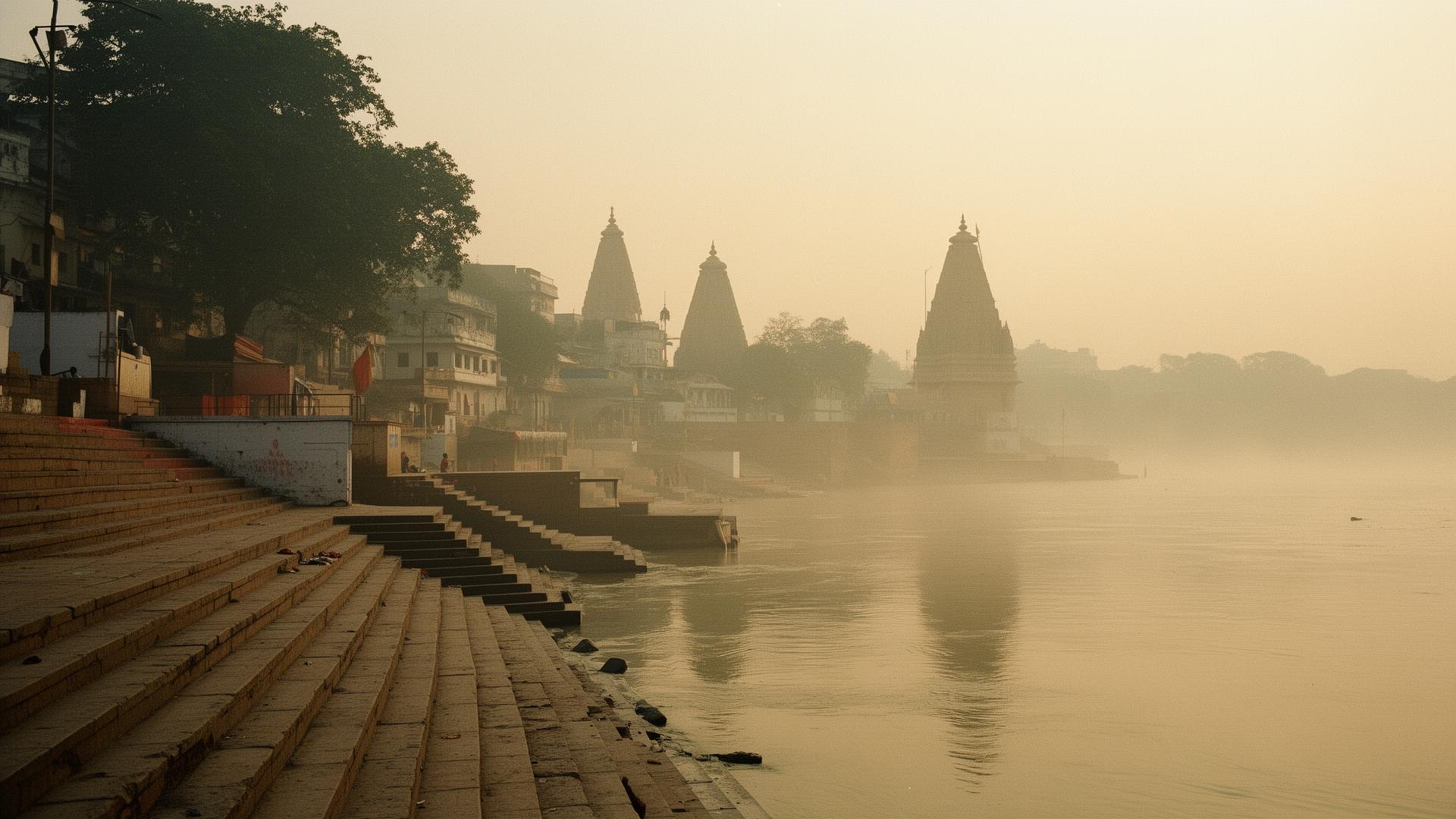
The journey to Haridwar
That changed when I travelled to Haridwar to carry out the final rites for my grandfather.
I went there to scatter his ashes in the Ganges and complete the traditional rituals with a priest. As part of that visit, I was taken through the process of recording my grandfather's death in our family's ancestral register near Har Ki Pauri.
The priest asked for details about our family — our ancestral village, family names, community and gotra — and began searching through the handwritten registers.
Discovering the ancestral register
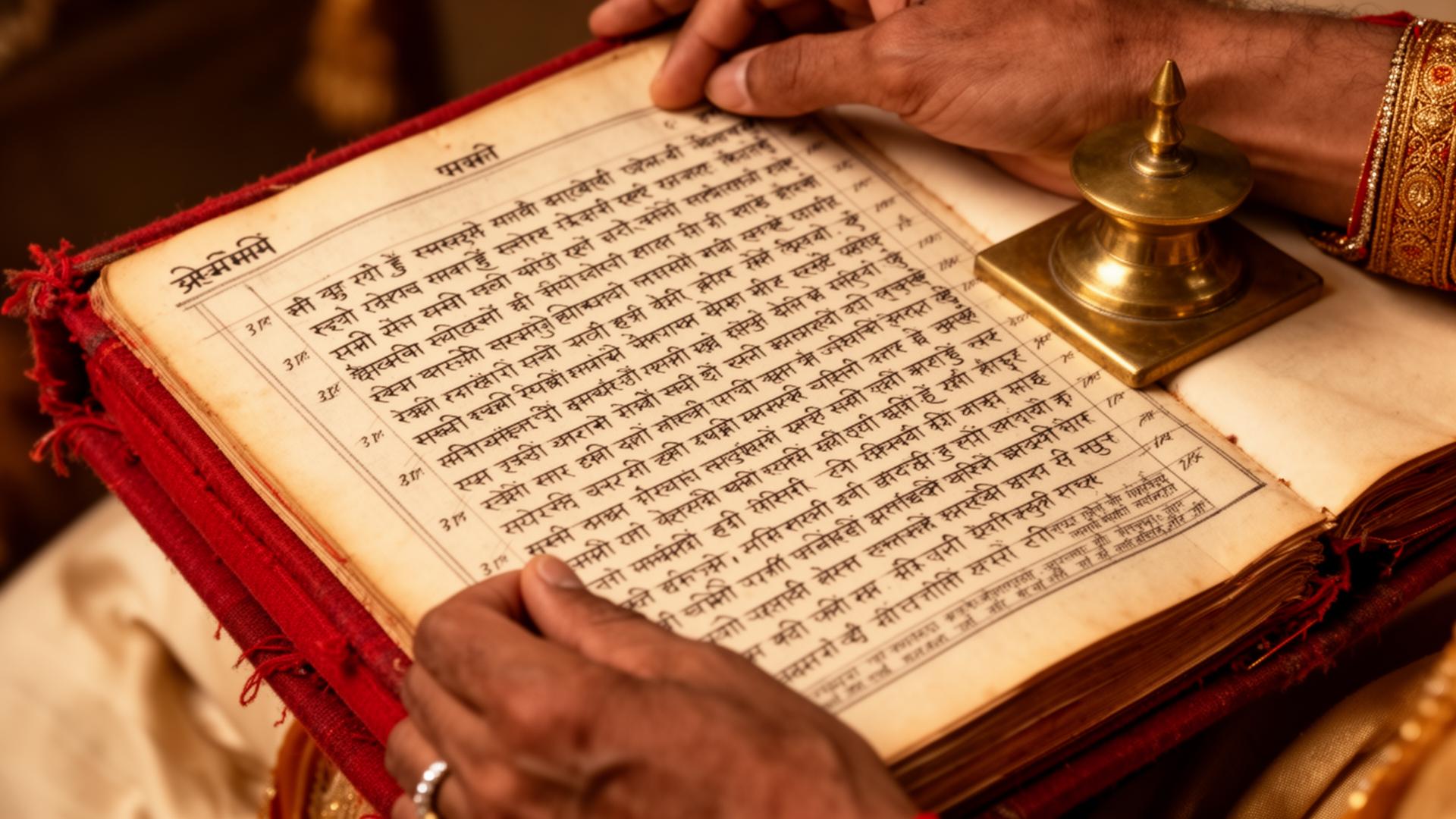
These were not small books. They were long, carefully preserved ledgers, organised by hereditary priests who had looked after particular families, villages and regions for generations.
Eventually, they found my family. They showed me my grandfather's name, then my father's, then traced the record back to my great-grandfather, my great-great-grandfather, and further still.
I was told that more than 400 years of my family's history had been preserved within those pages.
I cannot fully describe the feeling of seeing it for the first time. It gave me goosebumps. All my life I had assumed my family history had been lost — and suddenly I was standing in front of it.
More than 400 years of family history
It was deeply emotional to realise that my history was there. It existed. It had been remembered.
What I saw in Haridwar felt like a village of libraries, with generations of hereditary record keepers caring for an extraordinary part of India's family history.
Thousands of families, villages and lineages had been recorded and preserved by people who understood exactly which priest held which family's history.
Why these records matter
That experience also made me think about the families who cannot make that journey. If a family can no longer travel, or no longer knows how to reach its hereditary priest, the thread that has been kept for generations can quietly go quiet.
The registers are not ours to take charge of. They belong to the priests' families, who have kept them for generations. What overseas families need is a way to stay connected to them.
Why The Indian Archive was created
Indian Archive was created to bridge that distance—so that, after a bereavement, a family living abroad can remain connected with its traditional priest and family register where relevant.
We coordinate on the family’s behalf: learning about its religious and ancestral background, identifying the appropriate priestly route, preparing the information requested and coordinating priest-advised rites and relevant Bahi work. The priest or hereditary custodian remains responsible for religious guidance and for deciding what may properly be recorded.
I built Indian Archive so that distance and lost contact would not be the reason a family's record stopped being continued.
We work alongside the priests and record keepers, not in place of them
We work with the traditional priests and record keepers who have protected these histories for generations. We are here to help families access and preserve their own records, not to replace the tradition.
The Indian Archive began with one deeply personal discovery.
My family's record had not been lost — it had been continued, generation after generation.
Our work is to help families overseas keep that continuing.
Keep your family's record continuing
After a bereavement, we can learn about your family’s religious and ancestral background, identify the appropriate priestly route, and coordinate priest-advised rites and relevant Bahi work in India — from overseas, without the journey.